GLP1 NEW / CLEAR THINKING ABOUT WEIGHT MANAGEMENT
GLP-1 CARE✦✦✦ A CLEARER PERSPECTIVE

Make your GLP-1
research work for you

Researching GLP-1 can leave you with dozens of tabs and no clear decision. Turn that search into something usable: a map of the options, a record of the costs and an appointment agenda built around your own circumstances.

YOUR QUESTIONS · YOUR PACE · YOUR NEXT STEP
◉ Plain-language explanations▣ Practical provider overviews$ The full cost picture♧ No invented patient reviews

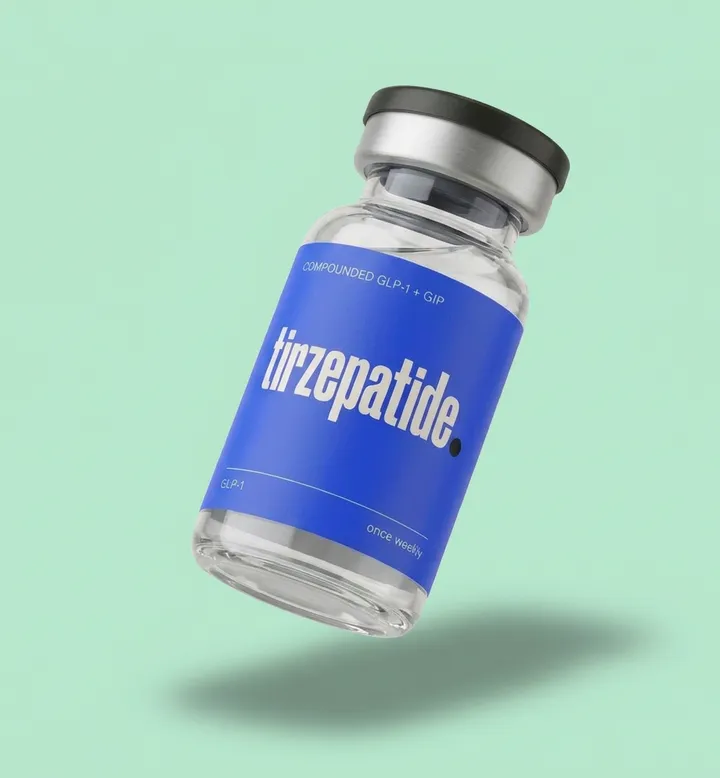
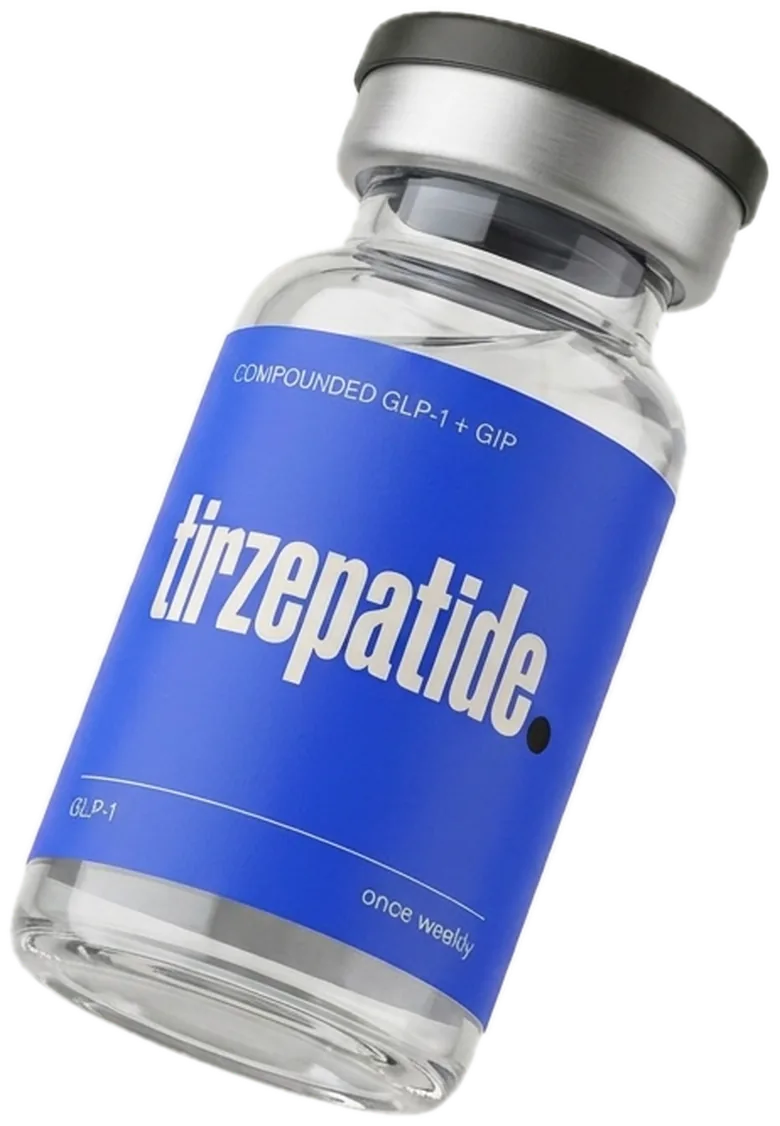
This publication offers educational reading, not prescriptions or individual assessments. Photography illustrates the subjects discussed and does not represent patient experiences.

Written by Maya Bennett · Editorial pseudonym · Last substantive update · How this content is prepared
YOU DO NOT NEED TO HAVE IT ALL FIGURED OUT

Give your search a job to do

Picture the end of a research session. You have saved a few offers, recognised several medicine names and read some striking claims. Yet you still cannot say which question to ask first. That is the problem this site is designed to address: turning scattered information into a useful next action.

A better starting point is deciding what you are trying to accomplish. Are you learning the vocabulary before an appointment? Trying to understand a proposal? Comparing the commitments of two services? Each task calls for different information. When you name the task, it becomes easier to stop collecting material that does not help answer it.

Use these pages as a working sequence. Begin with the language of the offer, examine the organisation providing care, and trace the financial commitment. Keep anything you cannot establish in an unanswered column. The empty spaces deserve attention; they should not quietly become assumptions just because the website looks convincing.

The result need not be a verdict about a medicine. A productive session might leave you with three precise questions and a better understanding of who can answer them. That is a stronger position than feeling you should already know what treatment you want before speaking to a professional.

Build your understanding →
START WITH THE PERSON, NOT THE PRODUCT

One offer contains several decisions

An online program packages several decisions into one experience. There is the question of a prescription, the way a clinical service works and the contract governing payment. A single button may connect all three, but agreeing to the commercial terms does not answer the individual clinical question.

Separate those decisions in your notes. Ask the clinician about medical suitability, the service about its processes and the relevant organisation about billing. This avoids a common research mistake: letting a clear answer about delivery or price stand in for an explanation of the treatment itself.

See what belongs on your checklist →
EXPLORE THE OPTIONS

Identify the product
behind the description

Use the library to identify the subject of an offer. Every card opens an on-site explainer with its own questions and context.

10 options

These entries identify topics discussed in provider material; they do not confirm current availability or individual suitability. Compounded products are not FDA-approved. Read the product-identity guide →

LOOK BEYOND THE FIRST APPOINTMENT

Ask what an ordinary month would look like

Instead of imagining only the enrolment day, consider the ordinary weeks that follow. The service should be understandable when you need clarification, not merely when you are deciding whether to join.

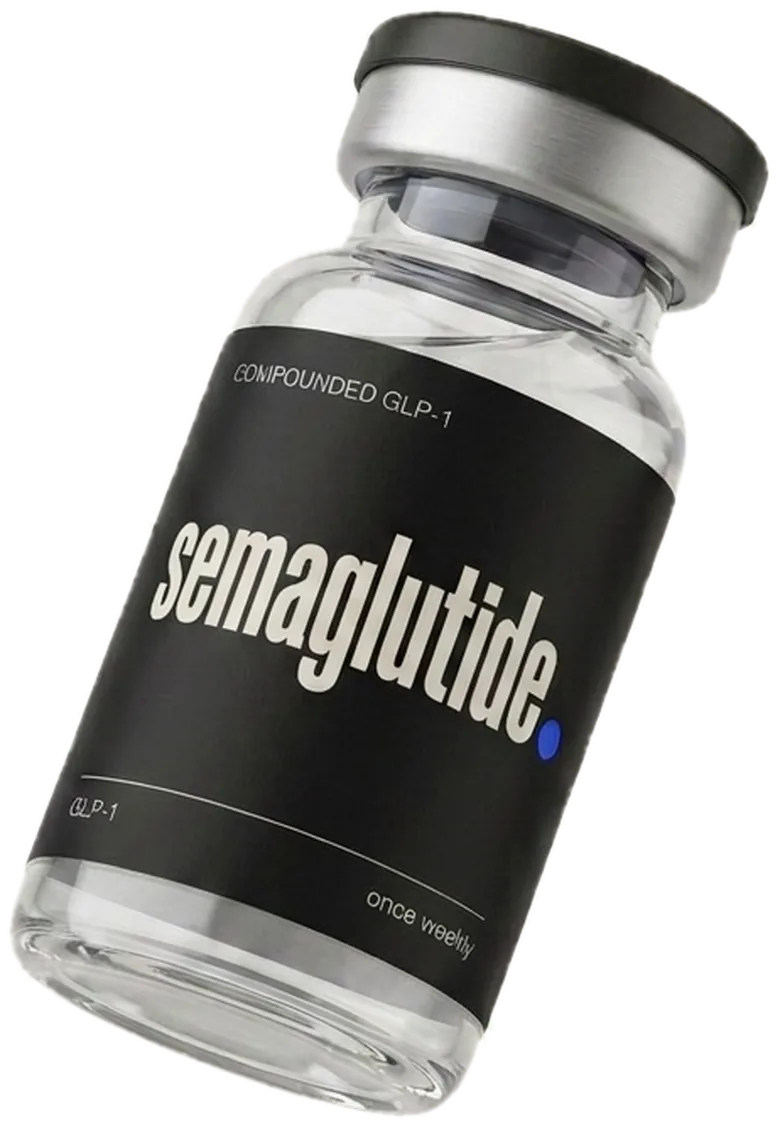
Illustrative semaglutide product packaging

Make room for the details a form might miss

An intake form is a way to gather information, not proof that every important issue has been addressed. Note the history, medicines and earlier experiences you want discussed. If a fixed questionnaire leaves something out, ask how to add it to the assessment. Your account should not be limited to what fits a short set of boxes.

Find the route to the right answer

Find out how a message reaches the right person. An invoice question and a prescription question belong to different teams. Ask whether clinical follow-up has a defined route, what the service says about response times and what instructions apply when a matter needs attention outside routine communication.

Walk through an interruption before it happens

Use a hypothetical interruption to understand the process. Suppose an appointment moves, a package needs clarification or your circumstances change before renewal. Who takes ownership of the question? Which decisions require a clinician? Exploring an ordinary complication can reveal more than reading another broad statement about convenient care.

Build a one-page account of the agreement

Before agreeing to the plan, assemble a short summary: the assessment, the proposed product, the next review, the payment dates and the contact route. If you cannot complete one line, ask the responsible organisation. A summary exposes gaps that are easy to overlook when details arrive across several screens and messages.
THREE DIFFERENT QUESTIONS

Read the offer through
three different lenses

Give each part of the offer a separate page in your notes, then bring the answers together.

01

The medicine

Copy the exact product description rather than shortening it to a familiar ingredient. The name on an advertisement may omit distinctions that matter to a prescribing discussion. Establish what is proposed before trying to judge a comparison.

Understand the terminology →
02

The clinical service

Identify the clinical organisation and understand its follow-up arrangements. A pleasant website experience does not establish how a question is reviewed after enrolment. Ask for the process you would actually use.

Look at the care process →
03

The financial commitment

Trace the dates as well as the amounts. Upfront payments, automatic renewal and notice periods can change the meaning of a monthly figure. A budget should describe the agreement you would enter, not just its headline.

Read the cost guide →
A PRICE THAT MAKES SENSE IN REAL LIFE

Put the payments on a calendar

A useful budget is a timeline. It tells you what is collected today, what may be billed separately and what happens when the first period ends. Looking at the sequence often reveals questions that disappear when offers are arranged from cheapest to most expensive.

Create a row for each cost category: membership, medicine, appointments, testing and delivery. Mark which charges are included and who has confirmed them. If the eventual clinical proposal is not known, leave the relevant cost unresolved. Unknown is a valid entry; zero is a different statement.

Then review the terms for a change of plan. What if you decide not to proceed after assessment? What if a different approach is recommended? You are not forecasting your treatment. You are learning how the financial agreement behaves when the experience differs from the simplest sales example.

Look at the full cost picture →
SPACE FOR THE QUESTIONS THAT MATTER

Resolve the gap before adding another claim

Speed is helpful when a process is clear. It is less helpful when it encourages you to fill in missing information yourself. If a product description, a prescribing responsibility or a contract term remains unclear, identify the specific gap. A focused request is easier to resolve than a general feeling that something is not quite explained.

For a compounded product, ask the clinician to explain the category being proposed and the reason it is relevant to your circumstances. Recognising an ingredient is not the same as identifying a complete formulation. Keep the explanation attached to the actual proposal rather than to a broad advertisement.

GLP1 New provides a research framework. It does not authenticate a package, verify a pharmacy batch or tell you how to change a prescription. Those boundaries matter because a general explanation can sound reassuring while still being unable to answer the particular question in front of you.

Read the guide to compounded medicines →
A PRACTICAL WAY FORWARD

An appointment agenda
you can actually use

01

Name the purpose

Decide what this appointment should help resolve. You might want an initial assessment, clarification of a term or an explanation of the alternatives. A stated purpose keeps the conversation focused and gives you a way to judge whether you received the information you needed.

02

Bring the relevant evidence

Gather the documents and details relevant to that purpose. Bring your medicine list, relevant history and any written proposal you are trying to understand. Include practical constraints too. The clinician cannot take account of a concern you have not had an opportunity to communicate.

03

Assign each question to the right person

Separate questions that need clinical judgement from those about service terms. Ask the appropriate person and record the answer. If a response refers you elsewhere, note who is expected to resolve the issue rather than assuming it has been dealt with.

04

Record the next step

Afterwards, write a brief account of what was decided, what remains open and when the next step should happen. Check that this matches the written information you receive. Research becomes useful when it leaves you able to follow the process, not simply repeat its terminology.

Open your appointment checklist →
GO DEEPER WHERE YOU NEED TO

A reading route for
the decision in front of you

Follow the question you are working on. The guides can be read separately or used as a sequence.

WHY GLP1 NEW EXISTS

A publication built around
the work of understanding

This project starts from a practical observation: information can be plentiful while the decision remains poorly defined. Someone may know several medicine names and still be unable to explain what an online service is asking them to agree to.

Our articles therefore distinguish descriptions, claims and individual clinical decisions. A provider case study demonstrates a research method; it does not stand in for a patient experience. A treatment explainer defines the topic; it does not supply a personal recommendation. The distinction is part of the information, not a footnote to ignore.

Navigation stays within GLP1 New, allowing you to inspect a subject without entering a provider checkout. Contributor profiles explain the use of editorial pseudonyms and the limits of the writing roles. There are no invented medical qualifications or claims that these articles received clinical review.

How we approach our content →
THE QUESTIONS BEHIND THE QUESTIONS

The details readers often need clarified

What is the fastest way to use this website?+

Choose the task you need to complete. Start with terminology if an offer is unfamiliar, the cost guide if you are comparing commitments, or the appointment agenda if a consultation is already planned. You can return to the library when a specific product question arises.

Can a guide settle an individual treatment decision?+

A guide cannot take a medical history or apply clinical judgement to your circumstances. Its job is to explain the information you encounter and help you prepare a focused discussion with the professional responsible for your care.

Why do some library entries concern hormones or wellness?+

The library separates several subjects encountered in online-care catalogues. Inclusion does not mean the products have the same purpose or belong together in a treatment plan. Each entry explains its own research context.

How should I compare a bundled quote with a membership price?+

List the same charge categories for both offers over the same time period. Mark unconfirmed amounts explicitly. Ask the relevant service to explain payment timing, separately billed items and the point at which a proposed plan changes the quote.

What should I do with an unanswered question?+

Record the gap precisely and identify who can resolve it. Clinical questions, billing questions and dispensing questions may need different routes. Keep the item open until the responsible organisation provides an explanation you understand.

Do the cards take me to a seller?+

All current product cards open GLP1 New reading pages. There is no purchase flow or external affiliate destination. The pages organise research questions rather than offering prescriptions.

YOU DO NOT NEED A PERFECT PLAN TO TAKE A USEFUL STEP

Close a tab
Open a useful conversation

Choose one task you can finish today: identify an unfamiliar term, request an itemised quote or write the question that keeps getting lost between searches. A small, well-defined action can make the next conversation considerably more productive.

Prepare for your conversation →Or keep exploring the guides →